In many cases, yes, you can drive after a root canal. If the appointment involved only local anesthetic, meaning the area was numbed while you stayed fully awake, many patients are able to drive themselves home safely.
The more important question is not the root canal itself. It is whether anything used during the visit could affect reaction time, judgment, balance, or comfort behind the wheel. Sedation changes the answer completely, and so can significant pain, dizziness, or facial numbness that feels distracting.
A root canal removes inflamed or infected tissue from inside the tooth, cleans the inner space, and seals it. The goal is to save the tooth and reduce infection-related pain. From a driving standpoint, the procedure itself is usually less important than the anesthesia used and how you feel afterward.
At Wagner Sleep Dental, we help patients in Indianapolis and surrounding areas navigate every step of the root canal process, including what to expect after treatment. If you're concerned about driving, sedation, or recovery, our team can provide personalized guidance based on your specific treatment plan.
Most routine root canals are done with local anesthetic. That numbs the tooth and surrounding tissue, but it does not usually impair thinking or coordination. If that is all you received, and you otherwise feel normal, driving is often reasonable.
Sedation options are different. Nitrous oxide, oral sedatives, and intravenous sedation can affect alertness, memory, coordination, and decision-making even after the procedure feels finished. Guidance on sedation options consistently emphasizes the same point: if you were sedated, plan on not driving unless your dental team has clearly told you that you are safe to do so.
This distinction matters because many people assume that if pain is controlled, driving must be fine. In reality, safe driving depends on attention, reflexes, and judgment, not just whether the tooth still hurts.
Driving is often reasonable after a root canal if all of the following are true:
Many patients leave the dental office and drive home without difficulty after this type of visit. That is especially common when the procedure was straightforward and the tooth was not causing severe swelling or sleep-disrupting pain beforehand.
Still, use good judgment. If the appointment was long, stressful, or physically draining, it may be smarter to wait a bit in the office or have someone else drive.
You should not drive after a root canal if you received any form of sedation that can slow reaction time or impair judgment. This includes situations where you feel calm enough to leave but still notice grogginess, slowed thinking, or patchy memory.
Other reasons to avoid driving include:
Feeling "mostly okay" is not the same as being safe to drive. If there is any doubt, the safer choice is to get a ride or use a car service.
This is especially important in real-world situations like a long suburban drive, heavy city traffic, bad weather, or school pickup right after the appointment. Even a short drive can be risky if your concentration is reduced.
Nitrous oxide, sometimes called laughing gas, tends to wear off quickly once the mask is removed and oxygen is given. Some patients feel normal within minutes. Even so, recovery is not identical for everyone, and a dental office may still advise waiting until you feel completely clear.
Oral sedatives can last much longer than people expect. Even if you are awake and talking normally, judgment and reaction time may remain impaired for hours. In practical terms, this is one of the clearest situations where you should arrange a ride in advance.
Intravenous sedation is more controlled during treatment, but recovery continues after you leave the chair. Many practices require a responsible adult to take the patient home because lingering drowsiness and slowed reflexes can persist.
If you are not sure what type of sedation was used, ask before the appointment or before leaving the office. That question is more useful than trying to guess based on how relaxed you felt during treatment.
Root canal treatment is highly successful and can help preserve a natural tooth for many years. After a root canal, the lip, cheek, tongue, or jaw may stay numb for a few hours if local anesthetic was used. Mild soreness is also common, especially when the tooth was inflamed before treatment or your mouth stayed open for a long time.
These effects do not automatically make driving unsafe. The better question is whether they are distracting enough to reduce focus. Mild numbness is common, but significant discomfort is a reason to pause, especially if you feel tense, shaky, or unable to concentrate.
Many patients underestimate how tiring a dental visit can be. Even when the procedure goes well, stress, poor sleep from tooth pain, and the effort of sitting still for a long appointment can leave you more fatigued than expected.
Before getting into the car, take a minute to assess how you actually feel rather than how quickly you want to get home.
Ask yourself:
If any answer raises concern, do not push through it. Waiting in the reception area, calling a friend, or using a ride service is a much safer choice than testing your reflexes in traffic.
This is general education, not personal driving clearance. If your dentist or endodontist gave instructions for your specific case, those instructions should take priority.
Some tenderness with chewing and some soreness around the treated tooth can be normal for a short period after a root canal. That does not always mean something is wrong.
You should contact the dental office if you develop:
Trouble breathing, rapidly spreading swelling, or difficulty swallowing should be treated as urgent help. Those symptoms can suggest a more serious infection or swelling pattern and should not wait for a routine callback.
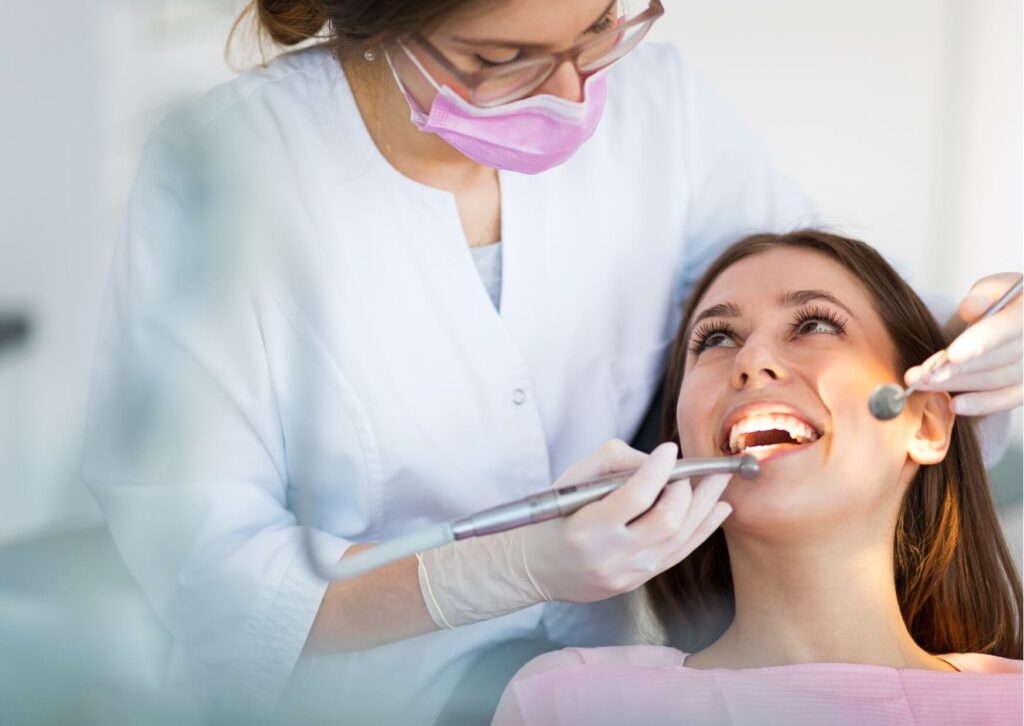
If you are scheduling a root canal and are unsure whether you can drive afterward, ask two questions before the day of treatment: what type of anesthesia will be used, and will you need an escort home. That can prevent last-minute confusion in the parking lot.
It also helps to think about the practical details. A patient with a 10-minute drive on familiar roads may feel very different from someone facing an hour on the highway after a stressful appointment. The safest plan is the one that does not rely on wishful thinking.
If there is any chance you will receive oral or IV sedation, arrange transportation ahead of time. Even if you end up not needing it, having a backup plan is better than making a risky decision while tired or numb.
If you are planning a root canal and are unsure whether you will be able to drive afterward, Wagner Sleep Dental can help you prepare before treatment begins. Call (317) 881-4000 to schedule an appointment with our team in Indianapolis, IN, and get clear guidance on anesthesia, sedation, recovery, and transportation planning.
We proudly serve patients throughout Indianapolis and surrounding communities.
Often, yes. If you had only local anesthetic and feel alert, steady, and comfortable enough to focus, many patients can drive home.
Usually no, at least not until the dental team says it is safe. Sedation can impair reaction time, judgment, and coordination even when you feel relatively normal.
It depends on what was used during the appointment and how you feel afterward. With local anesthetic alone, some patients drive right away. With sedation, you may need someone else to drive and may need to avoid driving for the rest of the day.
Yes, in some cases. Stress, poor sleep from tooth pain, a long appointment, or sedation can all leave you feeling tired. If tiredness is significant, do not drive.
Seek urgent care for trouble breathing, trouble swallowing, rapidly increasing swelling, or severe symptoms that are escalating quickly. Those are not typical recovery signs and need prompt evaluation.
Actually, today was one of the best cleanings I have ever had. Would love to have Linda everytime.

 Linda Clark
Jennifer, Dental Hygienist was thorough with my exam and cleaning! Thank You, Jennifer!
 Amber Nugent
We’re kind and personable yet professional! Took time with me to explain what I needed done.
 Patricia Duncan
Entire team is fabulous! So welcoming and compassionate. Dr W is the BEST!!! Highly skilled at everything she offers!
 Keisa Messer
Well run office. They are very conscientious in helping individuals maintain healthy teeth.
 Roger Kinsey
I love going to this dental office. Dr. Wagner and her staff are very caring. They do a great job and explain the procedures well.
 Amy Studebaker
Nothing but positive things to say about this place! Every staff member I've interacted with is knowledgeable and kind. Going to the dentist no longer makes me anxious. I highly... read more
 Laura Moon
Everything went well.. the staff is so friendly. Susan (the dentist) takes time to explain what all is going in and does not rush you out the door. ... read more
 Pam Stultz
Called in the morning and seen the same day for a lose crown. Dr. Wagner has always taken great care of our family dental needs!
 Kevin Gregory
Success stories that speak for themselves