Gum recession happens when the gum tissue pulls away from a tooth and exposes more of the root surface. Because the root is not protected by enamel, it is more vulnerable to sensitivity, wear, and decay.
The long-term goal is simple: keep teeth stable, comfortable, and easier to maintain for years to come. Gum recession matters not just because of appearance, but because it can quietly change the health of a tooth before pain becomes obvious.
A common pattern is gradual change. Someone notices a tooth looks longer, cold drinks start to sting, or a notch forms near the gumline, and only then starts asking what causes recession of gums.
In many cases, there is not just one cause. Gum recession usually develops from a mix of inflammation, brushing habits, tooth position, bite stress, and natural tissue thickness.
At Wagner Sleep Dental in Indianapolis, our periodontal hygiene services focus on preventing and managing gum disease and may be the kind of care you’re looking for.
Several factors can lead to gum recession, and they often overlap. A dentist looks at the pattern, location, and speed of change instead of assuming every case has the same cause.
One common contributor is repeated brushing trauma. Scrubbing with a hard-bristled brush or using a harsh back-and-forth motion can gradually wear down the gum margin, especially around canines and premolars.
This does not mean brushing is harmful. It means brushing force and technique matter, especially if your gum tissue is naturally thin.
Periodontal disease, often called gum disease, is another major cause. In this condition, bacterial plaque triggers inflammation, and over time the supporting tissue and bone around the teeth can break down.
As bone support is lost, the gumline may move downward or pull away. Bleeding, persistent bad breath, tenderness, and teeth that seem to shift can all point to gum disease-related recession. Professional gum disease care focuses on controlling plaque and inflammation to help protect the gums and supporting bone.
Some people are simply more likely to develop recession because their gum tissue is delicate or the bone over the root is very thin. Teeth that sit slightly outside the ideal arch position can also place more strain on the gum margin.
This helps explain why one person can brush aggressively for years with little visible change while another develops recession much earlier. Biology sets the baseline, and daily habits often affect how quickly problems show up.
Excess bite force may also play a role. Clenching and grinding, also called bruxism, can create repeated stress at the gumline and may contribute to notching, sensitivity, and recession in some patients.
The evidence here is less clear than it is for plaque and brushing trauma. Still, when recession appears along with worn teeth, jaw soreness, or fractured fillings, bite stress deserves attention.
Orthodontic treatment can improve gum health in many cases, but tooth movement needs to stay within the limits of the surrounding bone. If a tooth is moved too far toward the lip or cheek in a patient with thin tissue, recession may become more likely.
This does not mean braces or aligners are unsafe. It means treatment planning should account for bone thickness, tissue quality, and any existing recession before movement begins.
Tobacco use can impair healing and worsen periodontal disease, which raises the risk of recession. Lip or tongue piercings may also rub against the gumline and damage tissue over time.
These causes are easy to miss because the irritation is repetitive and gradual. In many cases, small daily trauma matters more than one isolated event.
Healthy gums sit around the teeth like a firm collar. They depend on stable collagen fibers, low inflammation, and adequate bone support underneath.
When plaque builds up, the immune system responds. That response is meant to protect the body, but if inflammation becomes chronic, the connective tissue and nearby bone can start to break down.
Mechanical trauma works differently. Instead of bacteria driving the process, repeated friction or pressure may thin the tissue until the gum margin moves.
Once the root surface is exposed, new problems can follow. The root is softer than enamel, so root sensitivity and root decay become more likely, especially if the area is hard to clean or exposed to acids often.
This is one reason early evaluation matters. Recession is not always painful at first, but it often becomes harder to manage once root wear and attachment loss progress.
The strongest evidence links gum recession to plaque-related inflammation, periodontal disease, thin tissue, and traumatic brushing habits. These causes are seen repeatedly in clinical care and in periodontal research.
The role of bite trauma is more debated. Clenching and grinding may worsen recession in the right setting, especially when thin tissue and gumline abrasion are already present, but they are rarely the only explanation.
Orthodontics also requires nuance. Tooth movement itself is not the problem, but moving teeth beyond the bony housing can increase risk in susceptible patients.
A practical way to think about recession is as a tissue tolerance problem. Bacteria, friction, anatomy, and force all place demands on the gums, and recession tends to appear where the tissue cannot adapt well enough.
A small amount of recession is not always an emergency, but it should not be ignored. The earlier the cause is identified, the better the chance of limiting further damage.
Watch for teeth that look longer than before, cold sensitivity, tenderness near the gumline, or visible root exposure. A notch near the gumline can suggest abrasion, stress, or early root wear.
Some findings deserve quicker evaluation. Bleeding gums with loose teeth, pus, swelling, a bad taste, or rapid visible change may signal active periodontal disease or another problem that needs professional care.
If recession appears around just one tooth, that also deserves a closer look. A single-site pattern can point to brushing trauma, tooth position, a bite issue, or a localized periodontal defect.
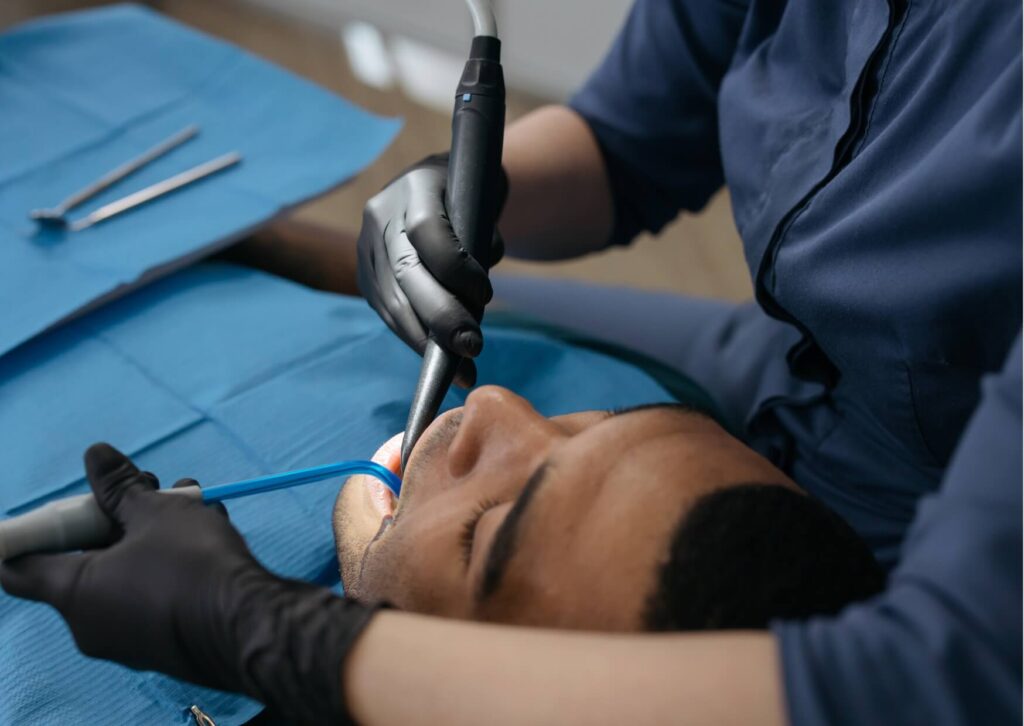
A proper exam goes beyond looking at the gumline in a mirror. The dentist or periodontist measures gum attachment, checks for bleeding, reviews brushing habits, and looks at tooth position and bite patterns.
X-rays may be needed to assess bone support. These images help separate simple soft tissue recession from recession that is part of a deeper periodontal problem.
The clinician also looks for details patients often miss. Common examples include a hard toothbrush, abrasive whitening toothpaste, heavy plaque buildup behind the lower front teeth, or a retainer that traps debris.
That distinction matters because treatment depends on the cause. Covering the root without controlling inflammation or trauma usually does not lead to a stable result.
Treatment depends on the cause, severity, and symptoms. Some cases mainly need habit changes and monitoring, while others need periodontal treatment or soft tissue grafting.
If brushing trauma is part of the problem, technique usually needs to change. A soft-bristled brush, lighter pressure, and small controlled motions are often easier on the gumline than forceful scrubbing.
If plaque and inflammation are present, professional cleaning and periodontal care may be needed. Home care and office treatment work best together, not as substitutes for each other.
Exposed roots can become sensitive and more prone to wear. Dentists may recommend products or in-office treatment to reduce discomfort and protect vulnerable root surfaces, depending on the clinical picture.
This is a good example of why general education is not the same as personal advice. Sensitivity from recession can overlap with decay, cracks, grinding, or bite problems.
In selected cases, gum graft surgery may help cover exposed roots or thicken fragile tissue. It is more likely to be discussed when recession is progressing, sensitivity is significant, root wear is increasing, or appearance is a major concern.
A graft does not fix every case, and it works best when the underlying cause has already been addressed. If not, the same forces that caused the recession may keep damaging the area.
Some patients who feel anxious or who need longer procedures find sedation dentistry helpful during deep cleanings or surgical care.
The most helpful mindset is to treat recession as a personal pattern, not a generic diagnosis. Two people can have similar-looking gumlines for very different reasons, which is why a careful exam is more useful than guessing from photos or online checklists.
A few consistent habits can make a real difference over time. None of them are dramatic, but together they reduce the daily stress on the gums.
Use a soft toothbrush and avoid aggressive scrubbing. Keep regular hygiene visits, clean carefully along the gumline, and ask for a technique review if recession seems to be getting worse.
If clenching or grinding seems likely, mention morning jaw fatigue, broken dental work, or flattened tooth edges at your visit. If tobacco use, oral piercings, or poorly fitting appliances are part of the picture, bring those up too because they can change the treatment plan.
Future research will likely improve how dentists predict which thin tissues are most likely to fail and which grafting approaches stay stable longest. For now, the best strategy is still early identification, cause control, and a plan based on the real reason the gums are receding.
If you have noticed root exposure, sensitivity, or a tooth that looks longer than it used to, a dental evaluation is the safest next step before the problem becomes harder to treat.
Wagner Sleep Dental offers periodontal hygiene and gum disease care in Indianapolis and nearby Greenwood and Southport; call us at (317) 881-4000 to schedule a consultation.
Gum tissue usually does not grow back to its original position on its own. Mild cases may stabilize once the cause is controlled, but lost gum height often requires professional monitoring or treatment if root coverage is the goal.
No. Brushing trauma is common, but recession may also be linked to gum disease, thin tissue, tooth position, grinding, tobacco use, or local irritation.
Recession itself is not usually an emergency, but urgent evaluation is wise if there is swelling, pus, severe pain, fever, rapid change, or teeth that feel loose. Those signs may point to active infection or advanced periodontal disease.
Sometimes orthodontic treatment can improve tooth position in a way that supports gum health, but it does not directly regrow lost gum tissue. In some cases, gum grafting or periodontal treatment may still be needed.
A general dentist is a good starting point for most people. If the recession is advanced, progressing, or linked to deeper attachment loss, referral to a periodontist may be recommended. A focused dental evaluation helps determine the right next steps.
Actually, today was one of the best cleanings I have ever had. Would love to have Linda everytime.

 Linda Clark
Dr. Susan Wagner and her staff are amazing. They are very professional, gentle, efficient and experienced. They are also calm and very kind. I appreciate having such a great experience... read more
 Amy Tomey
Everything went well.. the staff is so friendly. Susan (the dentist) takes time to explain what all is going in and does not rush you out the door. ... read more
 Pam Stultz
Nothing but positive things to say about this place! Every staff member I've interacted with is knowledgeable and kind. Going to the dentist no longer makes me anxious. I highly... read more
 Laura Moon
The kindest group of ladies you’ll ever find from reception to dentist. I hadn’t been to the dentist in about 5 years (due to fear among other things). I finally... read more
 Hayden Phillips
I have gone here for dental work my whole life at this point, and they have never been rude to me and have always been patient with me when I... read more
 nick lorance
We’re kind and personable yet professional! Took time with me to explain what I needed done.
 Patricia Duncan
Well run office. They are very conscientious in helping individuals maintain healthy teeth.
 Roger Kinsey
Entire team is fabulous! So welcoming and compassionate. Dr W is the BEST!!! Highly skilled at everything she offers!
 Keisa Messer
Success stories that speak for themselves