The typical cost of a custom sleep apnea oral appliance is about $1,800 to $4,000 in the United States. That fee often includes the dental evaluation, device fabrication, fitting, and follow-up adjustments, but your out-of-pocket cost can change based on testing, insurance coverage, appliance type, and whether later visits are bundled.
Oral appliance therapy is usually considered for adults with obstructive sleep apnea or persistent snoring after a medical assessment. It requires a prescription, and symptoms alone are not enough to diagnose sleep apnea.
If snoring, dry mouth, or daytime fatigue has you considering an oral appliance, a focused dental evaluation can show whether that option fits your airway and bite. Wagner Sleep Dental in Indianapolis helps patients review sleep testing, oral health findings, and likely treatment costs with a clear, practical plan.
Obstructive sleep apnea happens when the tongue and soft tissues repeatedly narrow or block the upper airway during sleep. These events can reduce oxygen and briefly wake the brain, even if the person does not remember waking up.
Common signs include loud snoring, witnessed pauses in breathing, gasping, morning headaches, dry mouth, daytime sleepiness, and trouble concentrating. These symptoms can overlap with other sleep or medical problems, so proper testing matters before treatment starts.
Untreated sleep apnea is linked with high blood pressure, heart rhythm problems, stroke risk, metabolic disease, mood changes, and accident risk from fatigue. That is why treatment decisions should be based on diagnosis, severity, and follow-up rather than symptoms alone.
A custom oral appliance is not the same as a store-bought mouthguard. It is a prescription device made to move the lower jaw forward in a controlled way, which can help reduce airway collapse during sleep.
The total fee may include:
Ask for a written estimate that lists exactly what is included. Some offices bundle adjustments and short-term follow-up, while others charge separately for imaging, repairs, replacement parts, or additional visits.
Pricing varies based on the appliance design, lab fees, local market, and the clinician's training and follow-up process. Costs may also rise if a patient needs dental treatment first or has bite and jaw-joint issues that require closer management.
A lower advertised fee may cover only the device itself. It is easier to compare estimates when each one identifies the appliance model, fitting process, adjustment period, warranty, replacement policy, and whether outcome testing is included.
Over-the-counter anti-snoring devices usually cost less, but they are not equivalent to a custom prescription appliance for sleep apnea. They may fit poorly, cause tooth or jaw problems, and should not replace medically directed care for diagnosed obstructive sleep apnea.
Coverage is often billed through medical insurance rather than dental insurance because the appliance treats a medical sleep disorder. Plans may require a sleep study, a physician's diagnosis and prescription, documentation of medical necessity, and proof that CPAP was considered or not tolerated.
Medicare may cover certain custom oral appliances when the diagnosis, device, provider enrollment, and documentation meet its rules. Deductibles, coinsurance, prior authorization, and replacement limits vary, so patients should confirm details with both the provider and insurer.
Before treatment, ask:
Health savings accounts or flexible spending account funds may also help with eligible expenses. If financing is offered, review the total repayment amount rather than focusing only on the monthly payment.
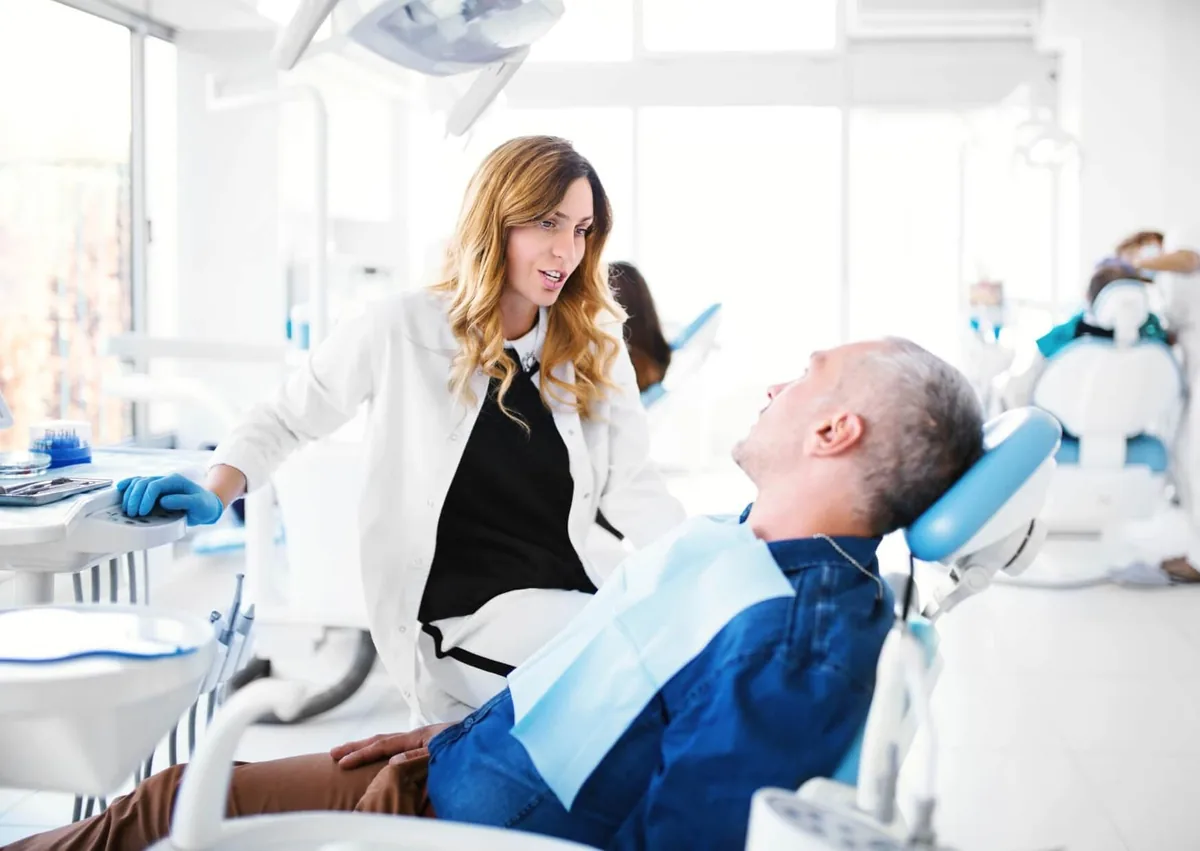
A trained dentist reviews the sleep diagnosis and performs a dental evaluation. That visit looks at the teeth, gums, dental work, bite, tongue space, jaw movement, and jaw joints to see whether the mouth can safely hold and tolerate an appliance.
Enough healthy tooth support is usually needed for retention. Missing teeth, dentures, gum disease, untreated decay, loose teeth, limited jaw movement, or significant jaw pain do not always rule out treatment, but they can affect device choice and predictability.
The dentist should also coordinate with the clinician managing the sleep disorder. A dental exam determines whether the appliance is feasible in the mouth, while a qualified medical clinician diagnoses sleep apnea and interprets sleep testing.
CPAP uses pressurized air to keep the airway open and is often the most effective treatment, especially for severe obstructive sleep apnea. An oral appliance may be appropriate for primary snoring, mild to moderate sleep apnea, or some patients who cannot tolerate CPAP, depending on the medical assessment.
The appliance is usually adjusted in small steps to improve breathing while limiting jaw strain. During this period, some patients notice extra saliva, dry mouth, tooth tenderness, jaw-muscle soreness, or temporary morning bite changes.
Long-term use can gradually shift tooth position or change the bite. For that reason, regular follow-up is part of treatment, not an optional extra.
Symptom improvement does not prove that breathing events are fully controlled. Follow-up sleep testing is often needed after the appliance has been adjusted to confirm that treatment is working.
Many oral appliances last several years, but lifespan depends on the design, grinding habits, cleaning, oral changes, and normal wear. Over time, repair, replacement, follow-up visits, and repeat sleep testing can add to the total cost.
Bring the appliance to dental and sleep follow-up visits. Report tooth movement, persistent jaw pain, a bite that does not return to normal, gum irritation, or a loose or damaged device.
Weight changes, new medical conditions, major dental work, or returning snoring and fatigue can all affect how well the appliance works. These changes may mean the device needs adjustment or that the treatment plan should be reassessed.
Seek prompt medical care for severe daytime sleepiness, repeated choking during sleep, chest pain, fainting, new confusion, or breathing difficulty while awake. If you feel sleepy while driving, stop driving and get urgent guidance right away.
A useful cost discussion should connect the price to diagnosis, customization, monitoring, and proof that the appliance is effective. When those pieces are included, patients can better judge the long-term value of treatment rather than only the upfront fee.
The next step is a targeted dental evaluation to confirm mouth suitability, review insurance coverage, and plan fabrication and follow-up. Call Wagner Sleep Dental for general dentistry in Indianapolis, serving Greenwood and Southport, at (317) 881-4000 to schedule your appointment or book online.
Often, no. Because sleep apnea is a medical condition, coverage is commonly handled through medical insurance when the plan's diagnosis, prescription, provider, and device requirements are met.
Usually not. Sleep testing is often billed separately by a medical or sleep provider, so ask whether the quoted fee includes initial testing, follow-up testing, or neither.
No. An online or over-the-counter device is not the same as a custom prescription appliance that is fitted, adjusted, and monitored by qualified clinicians.
Many last several years, but there is no guaranteed timeline. Grinding, oral changes, maintenance, device design, and wear all affect when repair or replacement is needed.
Sometimes. The decision depends on apnea severity, anatomy, other health factors, treatment tolerance, and whether follow-up testing shows that the appliance controls the breathing problem.
The kindest group of ladies you’ll ever find from reception to dentist. I hadn’t been to the dentist in about 5 years (due to fear among other things). I finally... read more

 Hayden Phillips
Dr. Susan Wagner and her staff are amazing. They are very professional, gentle, efficient and experienced. They are also calm and very kind. I appreciate having such a great experience... read more
 Amy Tomey
I have been going to Dr. Wagner for decades. Her staff is all female, which as a person with a small mouth and jaw, I really appreciate the smaller hands.... read more
 Carol Farrington
Nothing but positive things to say about this place! Every staff member I've interacted with is knowledgeable and kind. Going to the dentist no longer makes me anxious. I highly... read more
 Laura Moon
Jennifer, Dental Hygienist was thorough with my exam and cleaning! Thank You, Jennifer!
 Amber Nugent
I hadn't been to the dentist in 10 years and hadn't really smiled for about the same. Dr. Wagner and her staff made me feel comfortable instantly. She is not... read more
 Rachael Manson
I am so glad to see my dentist and Jennifer the hygenist! My name happens to be identical with the dentist, but I am just a patient! Jennifer... read more
 Susan Wagner
I love going to this dental office. Dr. Wagner and her staff are very caring. They do a great job and explain the procedures well.
 Amy Studebaker
This is my 4th cleaning day. I have never looked forward to getting dental work done but this is a very professional, friendly efficient practice. Now I look... read more
 Susan Fillmer
Success stories that speak for themselves