After a professional fluoride treatment, when you can eat depends on the product used. With fluoride varnish, many people can eat right away, but they should usually avoid hot, hard, crunchy, sticky, or acidic foods for about 4 to 6 hours. If fluoride gel or foam was used, the usual instruction is to wait about 30 minutes before eating or drinking.
If you are unsure how long to wait before eating or what foods are safe after fluoride treatment, a general dentistry visit can clarify the exact aftercare for the product used. Wagner Sleep Dental in Indianapolis, IN can review your treatment instructions, explain what to expect, and help protect the benefit of your fluoride application.
Fluoride helps strengthen enamel, the hard outer layer of the tooth. It supports remineralization and makes teeth more resistant to acid, which can lower cavity risk; see what a cavity looks like for added context.
Fluoride varnish is painted onto the teeth and hardens when it contacts saliva. Because it stays on the teeth for a period of time, eating sticky, hard, or very hot foods too soon can reduce how long it remains in place.
Fluoride gel or foam is often placed in trays for a short treatment period and then removed, sometimes during a teeth cleaning visit. Since these products do not stay attached to the teeth like varnish, patients are commonly told not to eat, drink, rinse, smoke, or vape for about 30 minutes afterward.
If your dental team says you can eat right away, choose soft, lukewarm foods. Good options include yogurt, scrambled eggs, applesauce, mashed potatoes, pasta, or a soft sandwich.
Cool or room-temperature water is often fine unless your dentist gave different instructions. For the time period your office recommends, usually about 4 to 6 hours, it is best to avoid:
Some varnish products have different aftercare rules. The instructions from your dental office should always take priority over general guidance.
After fluoride varnish, teeth may feel slightly rough, coated, or filmy for a few hours. Some varnishes can also make teeth look a little dull or yellowish until brushing is allowed.
A small amount of varnish may flake off during the day. That is usually expected, but you should not pick at it or try to scrub it away early.
Dentists often recommend fluoride treatment for people with frequent cavities, dry mouth, exposed roots, braces, enamel weakness, or other higher-risk factors. Aftercare may also be adjusted based on age, swallowing ability, and the specific fluoride product used.
Call your dental office if you are not sure which fluoride product was used or if you did not receive aftercare instructions. You should also ask for guidance if mouth irritation continues or if symptoms get worse instead of better.
A true allergic reaction to fluoride varnish is uncommon, but other ingredients can sometimes cause a reaction. Seek emergency care for trouble breathing, swelling of the lips, tongue, face, or throat, widespread hives, repeated vomiting, severe weakness, or confusion.
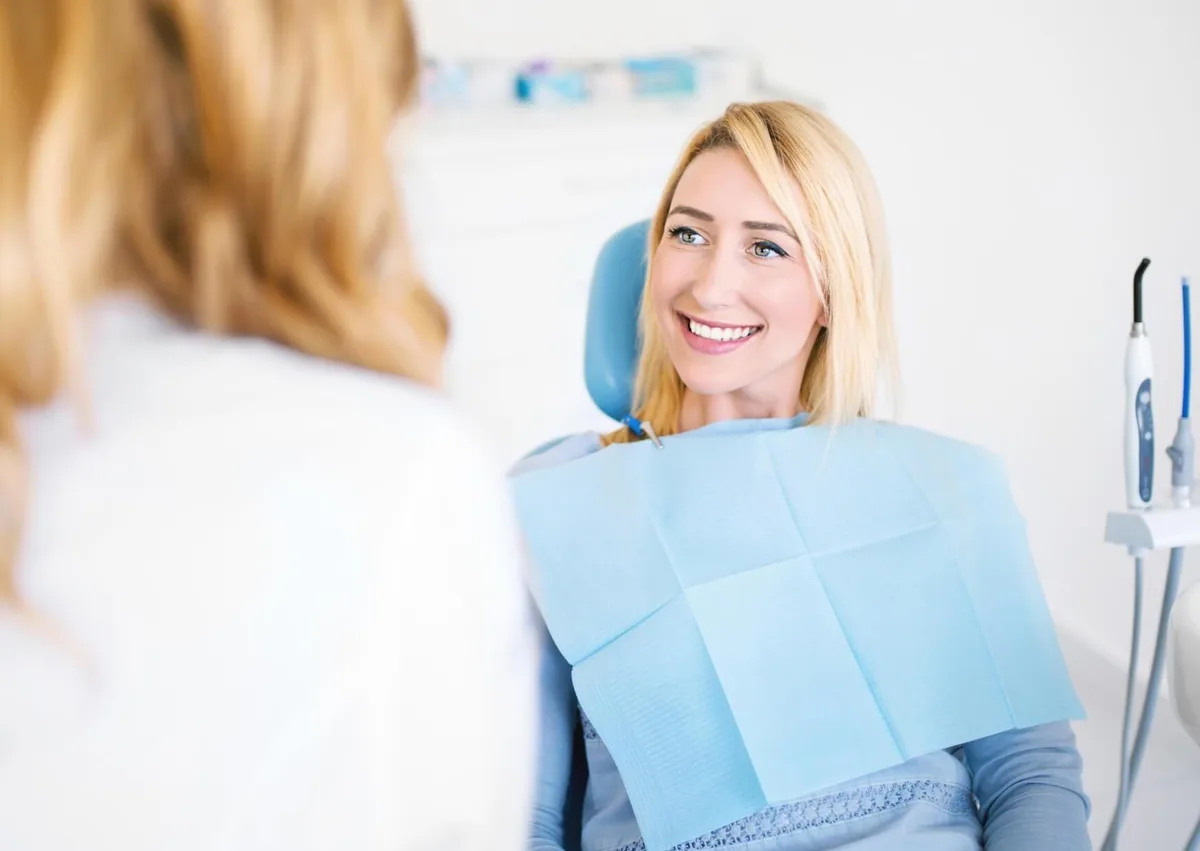
Fluoride treatment works best as part of a long-term prevention plan that includes brushing with fluoride toothpaste, cleaning between the teeth, and limiting frequent sugar or acid exposure. A general dentistry team can also tell you when to resume normal eating and oral hygiene if your written instructions are missing or unclear.
If you need clarification about a varnish or gel aftercare window or want a check after treatment, contact the office to get personalized advice and any needed follow-up. Wagner Sleep Dental provides general dentistry in Indianapolis, IN and nearby Greenwood and Southport; call (317) 881-4000 to speak with a team member or schedule an appointment.
After varnish, cool or room-temperature water is often allowed right away, but follow the instructions for the specific product used. After fluoride gel or foam, patients are commonly told to avoid all drinks for about 30 minutes.
It is usually best to avoid hot coffee during the varnish contact period, often 4 to 6 hours. If your dentist allows beverages sooner, choose one that is cool or lukewarm and avoid adding a lot of sugar.
Instructions vary by varnish type and dental office. Many patients are told to wait at least 4 to 6 hours, while others may be told to wait until the next morning.
Eating too soon is not usually an emergency. However, hot, hard, or sticky foods may shorten the amount of time varnish stays on the teeth, so contact the dental office if a large amount comes off right away or if you are concerned about treatment effectiveness.
I have been going to Dr. Wagner for decades. Her staff is all female, which as a person with a small mouth and jaw, I really appreciate the smaller hands.... read more

 Carol Farrington
Always great to see the beautiful staff at Dr Susan Wagner’s office. Always a pleasant experience when I visit for any procedure. I highly recommend Dr Susan if... read more
 celine masterson
Jennifer, Dental Hygienist was thorough with my exam and cleaning! Thank You, Jennifer!
 Amber Nugent
I love going to this dental office. Dr. Wagner and her staff are very caring. They do a great job and explain the procedures well.
 Amy Studebaker
I appreciate the professional service and friendly staff. Always quick to respond to any issues I may have. Highly recommend! Terry T.
 Terry Thompson
Actually, today was one of the best cleanings I have ever had. Would love to have Linda everytime.
 Linda Clark
Entire team is fabulous! So welcoming and compassionate. Dr W is the BEST!!! Highly skilled at everything she offers!
 Keisa Messer
Well run office. They are very conscientious in helping individuals maintain healthy teeth.
 Roger Kinsey
The kindest group of ladies you’ll ever find from reception to dentist. I hadn’t been to the dentist in about 5 years (due to fear among other things). I finally... read more
 Hayden Phillips
Success stories that speak for themselves