Oral conscious sedation can help if dental anxiety, a strong gag reflex, or a past difficult visit makes treatment hard to tolerate. It uses prescription medication taken by mouth to reduce anxiety and increase relaxation while the patient stays responsive and continues breathing independently, but it still requires medical screening, monitoring, and a responsible adult for transportation and recovery support.
If dental anxiety or a prior difficult experience is making treatment hard to tolerate, sedation dentistry may help you stay calm and get needed care more comfortably. Wagner Sleep Dental in Indianapolis, IN provides tailored oral sedation and careful monitoring to make treatment feel safer and more manageable.
Dental anxiety often causes more than worry. It can trigger a racing heart, muscle tension, sweating, nausea, shaking, or a strong urge to avoid treatment.
Some patients also struggle with a sensitive gag reflex, trouble staying still, or distress tied to sounds, pressure, or memories of a previous procedure. These reactions can make even routine dental care feel difficult.
Oral conscious sedation lowers anxiety and awareness, but it does not reliably block pain. Local anesthetic is still usually needed to numb the treatment area.
Sedative medication slows activity in the central nervous system. Most patients remain able to answer questions or respond to touch, but sedation can also reduce muscle tone in the tongue and throat.
When that happens, the airway may narrow more easily. This matters most in people with airway risk factors such as obstructive sleep apnea, obesity, chronic lung disease, nasal blockage, or certain jaw and throat features.
Alcohol, opioids, sleep aids, anti-anxiety medications, cannabis, and some other drugs can intensify sedation. The dentist needs a complete medication and substance-use history before deciding whether oral conscious sedation is appropriate.
Oral medication is also less adjustable than IV medication once it has been swallowed. Its onset and effect can vary based on the drug used, food intake, age, metabolism, medical conditions, and interactions with other substances.
The evaluation starts with the planned procedure, the patient’s anxiety level, and any prior sedation experiences. The dentist also considers whether the patient can cooperate safely during treatment.
Medical review usually includes health conditions, allergies, pregnancy status, prescription and over-the-counter medications, supplements, and any history of anesthesia or sedation problems. This step helps identify risks before treatment day.
Airway screening may include the mouth and throat, jaw movement, neck mobility, breathing pattern, and signs of sleep-disordered breathing. Loud snoring, witnessed pauses in breathing, morning headaches, daytime sleepiness, and CPAP use should all be disclosed.
If airway or medical risk is elevated, the dentist may request input from a physician or recommend a different setting. Sedation permits, monitoring requirements, and training standards also vary by state and by the intended depth of sedation.
Before treatment, patients receive instructions about eating, drinking, and regular medications. Follow the written instructions exactly and do not add alcohol, cannabis, or extra sedating medication unless the treating clinician has specifically approved it.
During treatment, the team watches breathing and responsiveness closely. Depending on the sedation level and applicable standards, they may monitor oxygen level, blood pressure, heart rate, and other clinical measures.
Supplemental oxygen or other airway support may be used if needed. Even with oral conscious sedation, the goal is controlled relaxation with ongoing safety monitoring.
Afterward, a responsible adult usually must drive the patient home and remain available during recovery. Patients should not drive, work, operate machinery, make important decisions, sign legal documents, or care for another person until the dentist’s restrictions have ended.
Drowsiness, slowed coordination, nausea, headache, and patchy memory can occur. Feeling awake does not always mean judgment and reflexes have fully returned to normal.
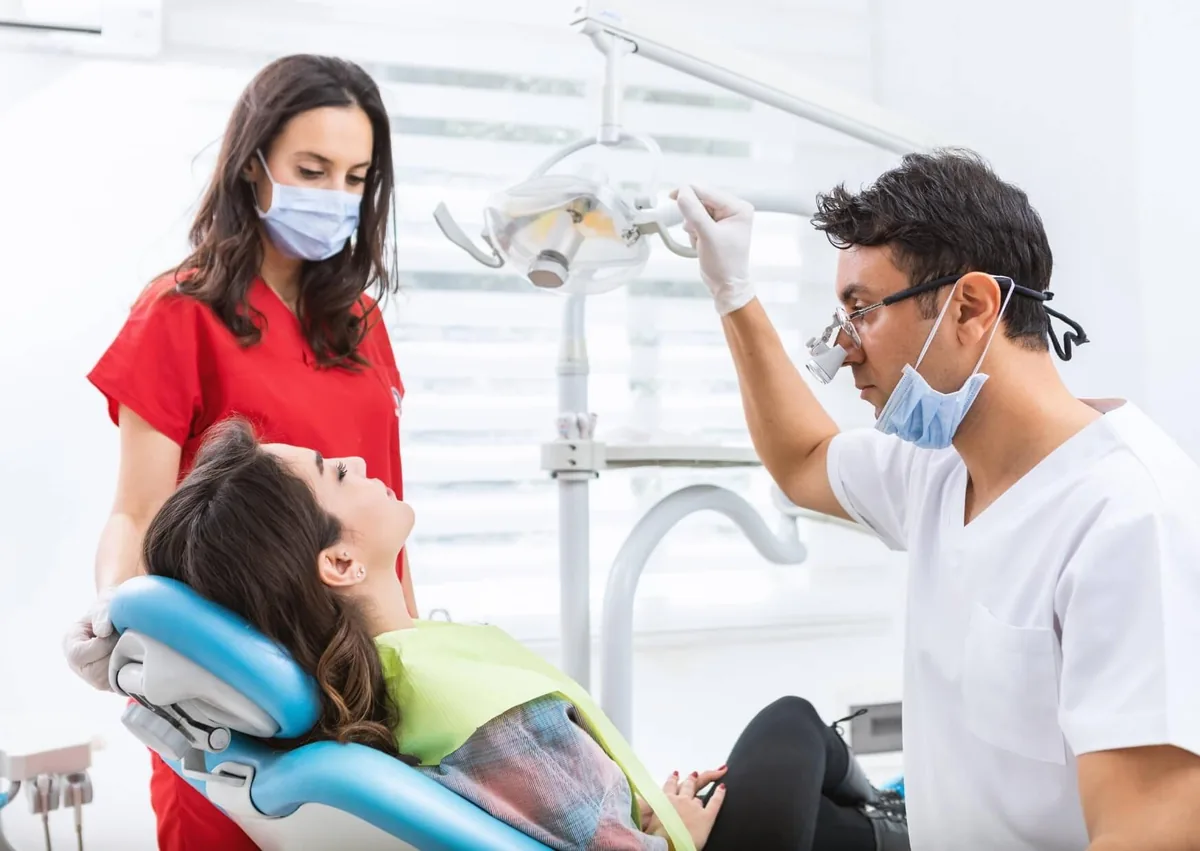
Mild anxiety may improve with shorter visits, clear stop signals, distraction, topical anesthetic, local anesthetic, or gradual exposure to treatment. For some patients, these steps are enough without oral sedation.
Nitrous oxide is another option and is often more adjustable during the visit. It tends to wear off faster than oral medication, though it is not the best fit for every patient.
Oral conscious sedation is commonly used to help patients tolerate tooth extractions and root canal treatment as well as other invasive procedures. IV sedation offers more direct medication control, while general anesthesia causes unconsciousness and requires a higher level of airway support and monitoring.
The safest option depends on the procedure, anxiety level, airway findings, medical history, and available clinical resources. More sedation is not always better, and some patients are safest in a hospital or ambulatory surgical setting.
Oral conscious sedation can make needed dental care possible, but it does not treat the underlying cause of dental anxiety. Over time, regular preventive visits, clear communication, and behavioral support may help some patients rely less on sedation.
After sedation, contact the dental team promptly for persistent vomiting, unusual agitation, worsening weakness, uncontrolled pain, or symptoms that do not seem to improve as expected. Call 911 for trouble breathing, blue or gray lips, inability to wake the patient, chest pain, seizure, collapse, or severe confusion.
Patients with untreated sleep apnea symptoms, significant heart or lung disease, a previous sedation complication, or a complex medication list should raise those concerns before treatment is scheduled. A pre-treatment evaluation helps determine whether oral conscious sedation, another sedation method, or a different care setting is the safest choice.
To determine whether oral conscious sedation is safe and suitable for your case, arrange a pre-treatment evaluation and medication review with a sedation dentistry team. Wagner Sleep Dental focuses on sedation dentistry in Indianapolis and nearby Greenwood and Southport; call (317) 881-4000 to discuss options or schedule an appointment.
Usually, yes. Patients generally remain able to respond to verbal directions or gentle touch, although they may be very drowsy and remember little of the visit.
No, not by itself. Local anesthetic is usually needed to numb the teeth and surrounding tissues, while the sedative mainly reduces anxiety and awareness.
No. A responsible adult generally must provide transportation and supervise recovery according to the dentist’s instructions, even if the patient feels alert. For more on post-procedure driving restrictions, see Driving after a root canal.
It may be possible in selected cases, but sleep apnea can increase the risk of airway obstruction and low oxygen levels. The dentist needs to know about symptoms, diagnosis, treatment, and CPAP use before deciding on the safest plan.
Memory varies. Some oral sedatives can cause partial or substantial amnesia, but lack of memory is not guaranteed.
Called in the morning and seen the same day for a lose crown. Dr. Wagner has always taken great care of our family dental needs!

 Kevin Gregory
Well run office. They are very conscientious in helping individuals maintain healthy teeth.
 Roger Kinsey
Update 10/8/24: Again I can’t express enough how pleased I am with Dr Wagner and her staff, especially Linda my hygienist! She is thorough and gentle when working on my... read more
 Cyndi Maddox (Cyndi)
I have gone here for dental work my whole life at this point, and they have never been rude to me and have always been patient with me when I... read more
 nick lorance
Everything went well.. the staff is so friendly. Susan (the dentist) takes time to explain what all is going in and does not rush you out the door. ... read more
 Pam Stultz
Actually, today was one of the best cleanings I have ever had. Would love to have Linda everytime.
 Linda Clark
I hadn't been to the dentist in 10 years and hadn't really smiled for about the same. Dr. Wagner and her staff made me feel comfortable instantly. She is not... read more
 Rachael Manson
Nothing but positive things to say about this place! Every staff member I've interacted with is knowledgeable and kind. Going to the dentist no longer makes me anxious. I highly... read more
 Laura Moon
Jennifer, Dental Hygienist was thorough with my exam and cleaning! Thank You, Jennifer!
 Amber Nugent
Success stories that speak for themselves