Sedation dentistry commonly costs about $50 to $500 for nitrous oxide, $150 to $700 for oral sedation, and $500 to $1,500 or more for IV sedation in the United States. Deep sedation or general anesthesia may cost $800 to several thousand dollars, especially when billed by time or provided by an anesthesia professional.
These estimates usually do not include the dental procedure itself, so the total cost depends on the type of sedation dentistry, treatment length, location, and medical needs.
If you’re weighing sedation options to manage anxiety or prepare for a longer procedure, knowing how each method affects comfort, recovery, and cost can guide a safer choice. Wagner Sleep Dental in Indianapolis, IN outlines personalized sedation plans to help you feel informed and comfortable during treatment.
Dental sedation ranges from mild relaxation to deep unconsciousness. The right level depends on anxiety, procedure complexity, expected treatment time, age, health history, and the ability to remain still.
Sedation Option | Typical U.S. Estimate | What Patients Generally Experience |
|---|---|---|
Nitrous oxide | $50 to $500 per visit | Awake and relaxed; effects usually wear off quickly |
$150 to $700 per visit | Drowsy but usually responsive; memory may be limited | |
IV moderate sedation | $500 to $1,500 or more | Deeper, adjustable sedation with continuous monitoring |
Deep sedation or general anesthesia | $800 to several thousand dollars | Minimal awareness or unconsciousness with advanced monitoring |
These are broad self-pay estimates, not guaranteed prices. Some offices charge a flat fee, while others bill in 15-minute, 30-minute, or hourly increments.
The sedation method is only one part of the total. IV sedation and general anesthesia usually cost more because they require more equipment, monitoring, training, and clinical support than nitrous oxide.
Appointment length also matters. A short extraction may require less sedation time than multiple tooth extractions, dental implants, or several restorative procedures completed in one visit.
Other factors that can affect cost include:
Ask whether the quote covers the full sedation period, including recovery and any anesthesia professional's fee. X-rays, lab work, the dental procedure, and sedation may all be billed separately.
Before recommending sedation, the dentist reviews the planned procedure and asks about dental anxiety, prior sedation experiences, medications, allergies, pregnancy status, and relevant medical conditions. Breathing problems, sleep apnea, heart or lung disease, and certain medication or substance use can change the plan.
The evaluation may include vital signs, an airway assessment, and consultation with another clinician. Some patients need treatment in a setting with advanced anesthesia support rather than a standard dental office.
Dentists generally choose the least intensive option that can safely support treatment. Nitrous oxide may work for mild anxiety, while oral or IV sedation may be considered for severe fear, a strong gag reflex, lengthy procedures, or difficulty remaining still.
Sedation can reduce anxiety and awareness, but it does not replace pain control. Dentists commonly use local anesthetic to numb the treatment area even when sedation is provided.
Dental insurance often treats sedation as optional unless the plan considers it medically necessary. Coverage may be more likely for certain oral surgeries, extensive procedures, documented disabilities, or patients who cannot safely complete care without sedation.
Medical insurance may sometimes help with deep sedation or general anesthesia when it is medically necessary and provided in an eligible setting. Prior authorization, clinical records, procedure codes, and an estimate of benefits may be required.
Before treatment, ask for an itemized written estimate that shows:
An insurance estimate is not a guarantee of payment. Patients can also ask about payment plans, health savings account eligibility, and whether combining several procedures into one sedation visit would be clinically appropriate and cost-effective.
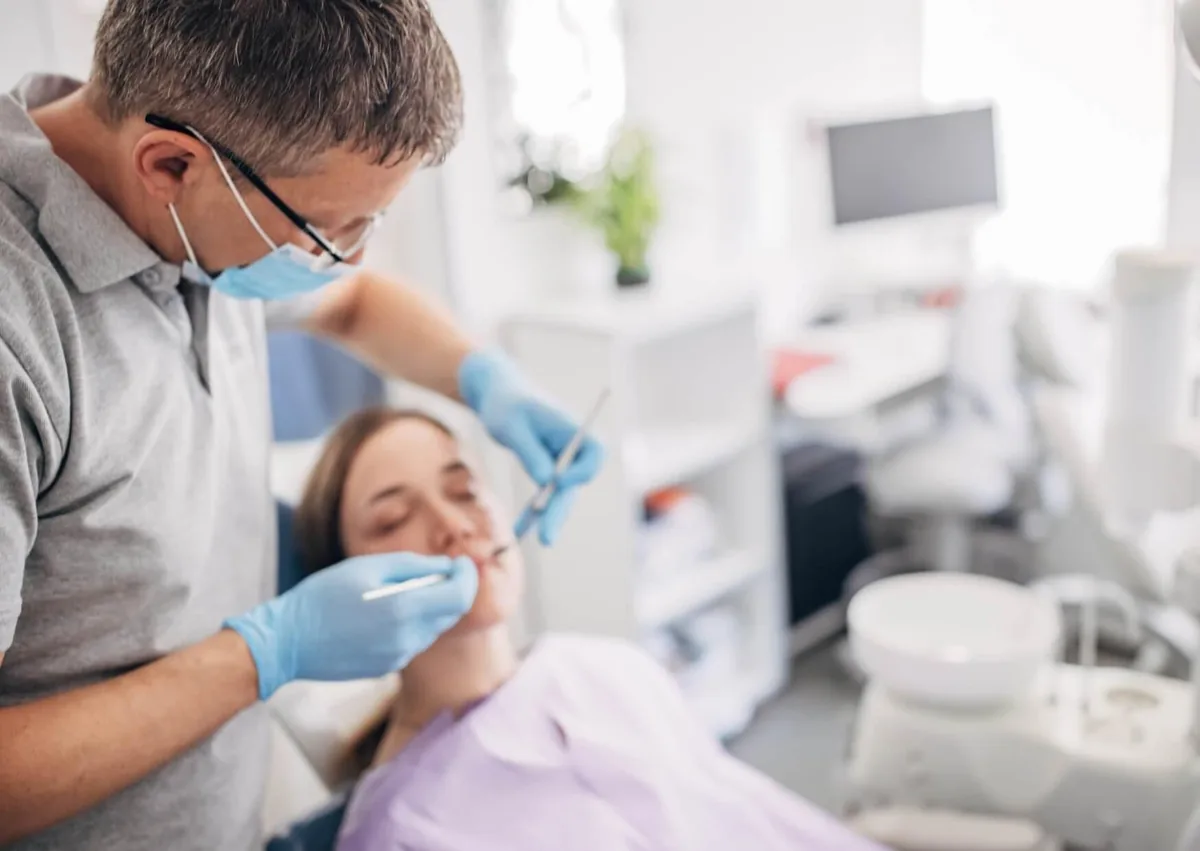
Preparation depends on the sedation level. The dental team may give instructions about eating, drinking, regular medications, transportation, and clothing, and those directions should be followed exactly.
Nitrous oxide usually has the fastest recovery, although office policies and individual responses vary. Oral sedation, IV sedation, and general anesthesia commonly require a responsible adult to drive you home and stay with you for a period of time.
Patients should not drive, work, operate machinery, drink alcohol, or make important decisions until the clinical team says it is safe. Mild drowsiness, dizziness, nausea, or limited memory of the appointment can occur.
Contact the treating clinician for symptoms that are persistent, worsening, or unclear. Call 911 for trouble breathing, bluish or gray lips, chest pain, inability to wake normally, severe confusion, or collapse.
Regular exams and preventive care can help identify problems before they require longer or more invasive treatment. That can reduce the need for deeper sedation or lengthy appointments.
Patients with dental anxiety may also benefit from shorter visits, agreed pause signals, topical numbing, local anesthetic strategies, and gradual treatment planning. Sedation should not be chosen by price alone.
A dental evaluation can clarify which level is likely to be safe and effective, what the full visit may cost, and whether alternatives could make treatment manageable.
To confirm which sedation level and estimated costs fit your needs, request a brief consultation so the team can prepare a safe, itemized estimate. Call Wagner Sleep Dental for sedation dentistry in Indianapolis, IN and nearby Greenwood, IN at (317) 881-4000 to schedule an appointment.
Usually not. Many practices list sedation separately from fillings, crowns, extractions, implants, or other procedures, so patients should request an itemized estimate.
Nitrous oxide is often the least expensive option because it requires less recovery time and typically does not involve IV access. It may not provide enough sedation for every patient or procedure.
IV sedation requires intravenous medication delivery, continuous physiologic monitoring, additional equipment, and appropriately trained personnel. The fee may also increase with the length of the appointment.
Not necessarily. Nitrous oxide and moderate sedation generally leave patients able to respond, although they may be very relaxed and remember little. General anesthesia produces unconsciousness.
Driving may be permitted after nitrous oxide only when the treating clinician confirms full recovery and office policy allows it. Oral sedation, IV sedation, and general anesthesia generally require arranged transportation and post-visit supervision.
Everything went well.. the staff is so friendly. Susan (the dentist) takes time to explain what all is going in and does not rush you out the door. ... read more

 Pam Stultz
Update 10/8/24: Again I can’t express enough how pleased I am with Dr Wagner and her staff, especially Linda my hygienist! She is thorough and gentle when working on my... read more
 Cyndi Maddox (Cyndi)
Nothing but positive things to say about this place! Every staff member I've interacted with is knowledgeable and kind. Going to the dentist no longer makes me anxious. I highly... read more
 Laura Moon
Always great to see the beautiful staff at Dr Susan Wagner’s office. Always a pleasant experience when I visit for any procedure. I highly recommend Dr Susan if... read more
 celine masterson
Jennifer, Dental Hygienist was thorough with my exam and cleaning! Thank You, Jennifer!
 Amber Nugent
This is my 4th cleaning day. I have never looked forward to getting dental work done but this is a very professional, friendly efficient practice. Now I look... read more
 Susan Fillmer
The kindest group of ladies you’ll ever find from reception to dentist. I hadn’t been to the dentist in about 5 years (due to fear among other things). I finally... read more
 Hayden Phillips
I have been going to Dr. Wagner for decades. Her staff is all female, which as a person with a small mouth and jaw, I really appreciate the smaller hands.... read more
 Carol Farrington
Actually, today was one of the best cleanings I have ever had. Would love to have Linda everytime.
 Linda Clark
Success stories that speak for themselves