Common signs you need a root canal can include lingering pain after hot or cold exposure, pain when biting, gum swelling, a recurring pimple on the gum, or a tooth that becomes darker. These signs can suggest pulp damage or infection, but they do not confirm that a root canal is needed, and some teeth with serious damage cause few symptoms until a dentist examines them and takes X-rays.
If you're noticing lingering sensitivity, swelling, or discoloration that suggests a damaged tooth, learning about root canal treatment can clarify whether the tooth can be saved. Wagner Sleep Dental in Indianapolis, IN helps patients reduce pain and protect natural teeth with calm, experienced endodontic care.
A root canal treats inflammation or infection inside the tooth. Under the enamel and dentin is the pulp, which contains nerves, blood vessels, and connective tissue.
Deep decay, a crack, repeated dental work, or an injury can let bacteria reach the pulp. If you want to understand one common cause, see what a cavity looks like.
When the pulp becomes severely inflamed, the pressure inside the tooth can cause pain. If the pulp dies, bacteria may spread through the root tip into the surrounding bone and form an abscess.
Root canal treatment removes the damaged pulp, cleans and disinfects the inside of the tooth, and seals the canals. The goal is to save the natural tooth and reduce the risk of ongoing or spreading infection.
A brief reaction to something cold can happen with exposed roots, a small cavity, or a worn filling. Lingering cold pain or pain that continues after the temperature is gone is more concerning because it can point to pulp inflammation that may not heal on its own.
Pain under pressure may come from inflammation around the root. It can also come from a crack, a loose filling, gum disease, or a bite problem, so the source needs to be identified before treatment is recommended.
Pulp inflammation can cause throbbing pain without a clear trigger. Some people notice it becomes worse when lying down or starts waking them from sleep.
Pain severity alone does not prove that a root canal is needed. Still, severe or worsening tooth pain should be evaluated promptly.
A swollen area or pimple-like bump near a tooth may be a drainage tract from an infection at the root. It may drain, leave a bad taste, disappear, and then return.
That temporary drainage does not mean the problem is gone. For symptom guidance while arranging care, see dental abscess self-care.
A tooth that turns gray or noticeably darker after a blow or fall may have lost its blood supply. Discoloration can have other causes, so the tooth should be tested rather than judged by appearance alone.
A tooth can need root canal treatment even if it does not hurt much. If decay, fracture, or trauma has irreversibly damaged the pulp, early treatment may help prevent an abscess and preserve more tooth structure.
Several problems can feel similar to pulp inflammation or root infection. Reversible pulp irritation, sinus pressure, teeth grinding, gum disease, a high filling, exposed dentin, and jaw muscle or joint pain can all cause sensitivity or aching.
Symptoms often overlap, which is why an exam matters. The pattern below shows how similar complaints can point to different causes.
Symptom Pattern | Possible Explanation | Appropriate Next Step |
|---|---|---|
Brief cold sensitivity that stops quickly | Exposed dentin, early decay, or mild pulp irritation | Schedule a dental assessment if it persists or worsens |
Lingering heat or cold pain | Advanced pulp inflammation | Arrange prompt dental evaluation |
Pain mainly when biting | Crack, inflamed root area, or bite problem | Avoid chewing on the tooth and seek evaluation |
Gum bump, swelling, or drainage | Possible dental abscess | Obtain urgent dental care |
Upper tooth pressure with nasal congestion | Sinus inflammation or a dental problem | Seek medical or dental evaluation if persistent or unclear |
Pain can also fade after the pulp dies, even when infection remains. No pain does not always mean the tooth has healed.
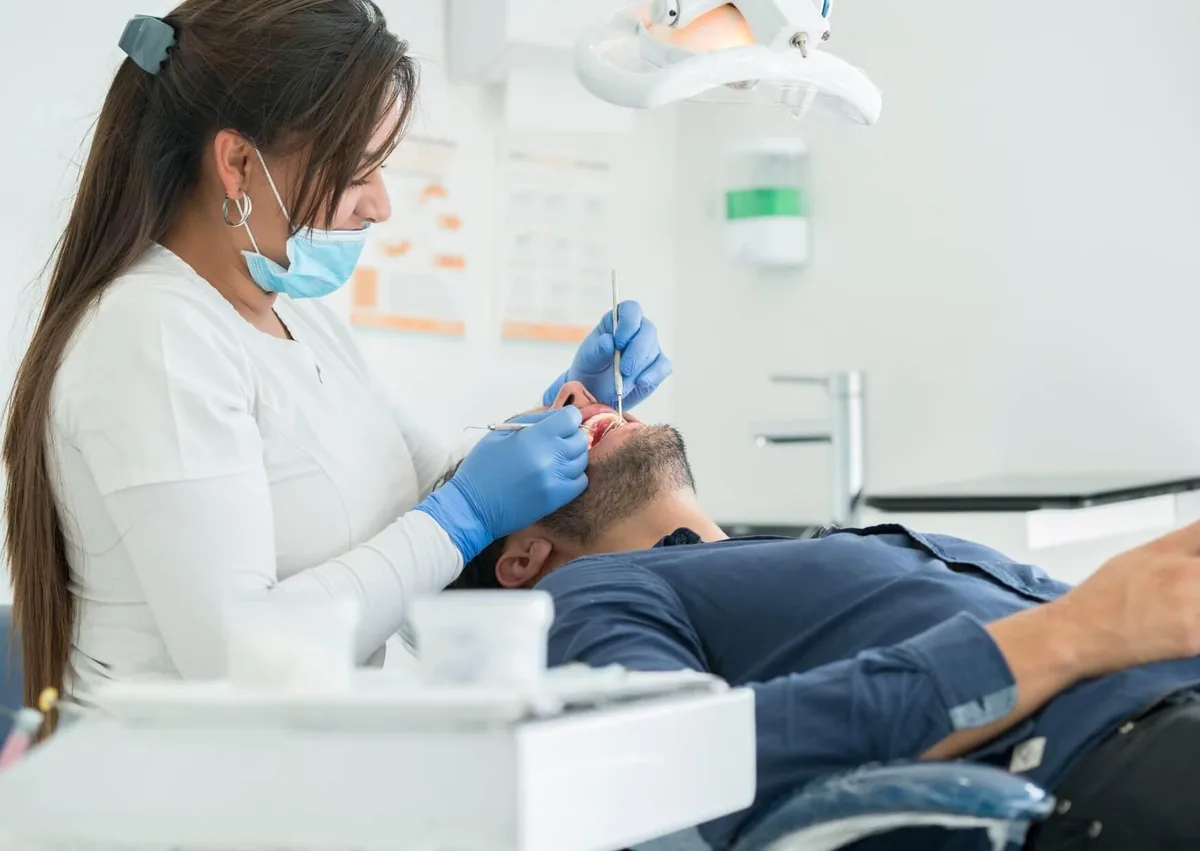
The dentist starts by asking when the symptoms began, what triggers them, how long they last, and whether there has been recent dental work or trauma. The exam may include checking for decay, cracks, swelling, drainage, gum changes, and tenderness when the tooth is tapped or pressed.
Pulp testing compares the tooth's response to cold or another controlled stimulus with nearby teeth. Bite tests can help identify a crack, and dental X-rays may show deep decay, changes around the root, bone loss, or prior treatment.
No single test gives the full answer in every case. Dentists combine the history, exam, testing, and imaging, and some cases are referred to an endodontist for advanced root canal care.
If the pulp is only mildly irritated and still able to recover, removing decay and placing a dental filling may be enough. In selected cases, monitoring may be appropriate, but not when findings suggest irreversible pulp damage or active infection.
During root canal treatment, the tooth is numbed and isolated. The dentist or endodontist removes the pulp, cleans and shapes the canals, and seals the inside of the tooth.
Treatment may take one or more visits depending on the tooth's anatomy, the amount of infection, and the restoration needed afterward. A filling or dental crown is often placed to protect the remaining tooth structure.
Back teeth commonly need crowns because they absorb heavy chewing forces. For front teeth, the final restoration depends on how much healthy tooth structure remains.
If the tooth cannot be restored predictably because of a severe fracture, extensive decay, or poor structural support, tooth extraction may be recommended (see tooth extraction time). Replacement options may include an implant, bridge, or removable appliance.
Numbness usually lasts for a limited time after treatment, so avoid chewing until normal feeling returns. If you plan to drive afterward, review guidance on driving after a root canal.
Mild tenderness when biting is common for a few days, especially if there was inflammation around the root before treatment. Follow the dentist's instructions for eating, oral hygiene, and nonprescription pain relief.
Do not chew hard or sticky foods on a tooth with a temporary restoration. Complete the permanent filling or crown within the recommended time.
Call the dentist if pain or swelling is severe, worsening, or not improving as expected, or if a temporary filling or crown comes out. A treated tooth still needs brushing, flossing, routine exams, and monitoring because it can still fracture or develop new decay.
Brush twice a day with fluoride toothpaste and clean between the teeth daily. Regular dental visits help catch decay, leaking fillings, and cracks before bacteria reach the pulp.
Wear a mouthguard for contact or high-impact sports. If clenching or grinding is damaging your teeth, ask a dentist about protective options.
Avoid using your teeth to open packages or bite hard objects. After any dental injury, get the tooth checked even if pain improves, because pulp damage can develop slowly.
Seek urgent dental care for facial or gum swelling, fever with dental symptoms, pus or foul-tasting drainage, rapidly worsening pain, or difficulty opening the mouth. These signs can indicate a spreading infection that needs prompt treatment.
Call 911 or go to an emergency department for trouble breathing or swallowing, swelling near the eye or neck, confusion, marked weakness, or rapidly expanding facial swelling. People with significant immune suppression or serious medical conditions should also seek prompt guidance if a dental infection is suspected.
Home care may temporarily reduce discomfort, but it cannot remove infected tissue or seal a damaged tooth. Timely evaluation gives the best chance to relieve pain, control infection, and determine whether the tooth can be saved.
Get a prompt evaluation to determine whether root canal treatment or an alternative is best to relieve pain and preserve the tooth. Wagner Sleep Dental focuses on root canal treatment in Indianapolis, IN and nearby Greenwood; call (317) 881-4000 or book online to arrange care.
Yes. A tooth with dead or gradually deteriorating pulp may cause little pain, and the first sign may be discoloration, a gum bump, or a change seen on an X-ray.
No. Brief sensitivity can come from exposed dentin, gum recession, early decay, whitening products, or a worn restoration. Lingering or worsening sensitivity is more concerning and should be evaluated.
Modern root canal treatment is done with local anesthesia, and most patients feel pressure rather than sharp pain during the procedure. An inflamed tooth can sometimes be harder to numb, but the clinician can adjust the anesthetic approach as needed.
No. Antibiotics do not remove damaged or infected pulp from inside the tooth.
They may be a useful supplement in selected cases when infection is spreading or systemic symptoms are present, but definitive dental treatment is usually still needed.
Arrange prompt care for lingering temperature pain, pain when biting, spontaneous toothache, discoloration after injury, or a recurring gum bump. Seek urgent care sooner for swelling, fever, drainage, or rapidly worsening symptoms.
The kindest group of ladies you’ll ever find from reception to dentist. I hadn’t been to the dentist in about 5 years (due to fear among other things). I finally... read more

 Hayden Phillips
Nothing but positive things to say about this place! Every staff member I've interacted with is knowledgeable and kind. Going to the dentist no longer makes me anxious. I highly... read more
 Laura Moon
I love going to this dental office. Dr. Wagner and her staff are very caring. They do a great job and explain the procedures well.
 Amy Studebaker
Always great to see the beautiful staff at Dr Susan Wagner’s office. Always a pleasant experience when I visit for any procedure. I highly recommend Dr Susan if... read more
 celine masterson
This is my 4th cleaning day. I have never looked forward to getting dental work done but this is a very professional, friendly efficient practice. Now I look... read more
 Susan Fillmer
Consistently pleased with the kindness I’m met with by the staff and the quality of my routine cleanings
 Lukas Smith
Update 10/8/24: Again I can’t express enough how pleased I am with Dr Wagner and her staff, especially Linda my hygienist! She is thorough and gentle when working on my... read more
 Cyndi Maddox (Cyndi)
Called in the morning and seen the same day for a lose crown. Dr. Wagner has always taken great care of our family dental needs!
 Kevin Gregory
I have gone here for dental work my whole life at this point, and they have never been rude to me and have always been patient with me when I... read more
 nick lorance
Success stories that speak for themselves