Obstructive sleep apnea happens when the upper airway repeatedly narrows or closes during sleep, reducing or stopping airflow. A dentist working in general dentistry may spot signs that raise concern and, after a medical diagnosis, provide a custom oral appliance for some adults. A sleep study and medical evaluation are required to diagnose obstructive sleep apnea.
Common symptoms include loud snoring, witnessed pauses in breathing, gasping during sleep, morning headaches, dry mouth, and waking up unrefreshed. Many people also notice daytime sleepiness, poor concentration, irritability, or dozing during quiet activities.
If snoring, dry mouth, or daytime fatigue has you wondering about obstructive sleep apnea, a visit for general dentistry can help identify warning signs and guide the next step. Wagner Sleep Dental in Indianapolis, IN helps patients understand their screening findings and whether oral appliance care may fit into a medically directed treatment plan.
During sleep, the muscles that support the tongue, soft palate, and throat relax. In obstructive sleep apnea, that relaxation allows the airway to narrow or collapse, even though the body is still trying to breathe.
The brain then briefly arouses the sleeper enough to reopen the airway. These repeated interruptions can lower oxygen levels, fragment sleep, and place stress on the cardiovascular and metabolic systems.
Jaw position and oral anatomy can affect airway space, but they are usually only part of the picture. Risk is also influenced by body weight, neck anatomy, enlarged tonsils, nasal blockage, alcohol or sedative use, age, and family history.
A dental exam cannot confirm obstructive sleep apnea, but it can identify findings that support further evaluation. These may include tooth wear from grinding, a scalloped tongue, a small or retruded lower jaw, a narrow dental arch, crowded teeth, enlarged tonsils, or signs of mouth breathing.
The dentist may also ask about snoring, witnessed breathing pauses, sleep quality, morning symptoms, daytime alertness, medical conditions, and use of alcohol or sedating medications. Depending on the setting, blood pressure, body measurements, and validated screening questionnaires may also be used to estimate risk.
If obstructive sleep apnea is suspected, the next step is referral to a physician or qualified sleep clinician. Diagnosis usually requires a home sleep apnea test or an in-lab sleep study interpreted by a medical professional.
Positive airway pressure therapy, most often CPAP, uses a mask and gentle air pressure to keep the airway open. It is generally the most effective treatment, especially for moderate to severe obstructive sleep apnea, though comfort, mask fit, and regular use affect success.
A custom mandibular advancement device may help certain adults with mild to moderate obstructive sleep apnea or some adults who cannot tolerate CPAP. Worn during sleep, it holds the lower jaw forward to create more space behind the tongue and reduce airway collapse.
An oral appliance should be prescribed only after a medical diagnosis and fitted by a dentist trained in dental sleep medicine, often through general dentistry. Over-the-counter snoring guards are not the same thing, because they may fit poorly, shift the teeth or jaw unpredictably, and fail to control sleep apnea even if snoring becomes quieter.
Other treatment measures may include weight management when appropriate, side-sleeping, limiting alcohol near bedtime, treating nasal obstruction, or surgery in selected cases. Snoring improvement alone does not prove that breathing and oxygen levels have returned to normal.
Oral appliance therapy usually requires gradual adjustment. The dentist makes small changes to improve airway support while balancing comfort and jaw function.
Temporary side effects can include jaw soreness, tooth tenderness, extra saliva, dry mouth, or a bite that feels different on waking. These effects are often most noticeable during the adjustment period.
Long-term use can shift tooth position or change the bite, so regular follow-up matters. The dentist may monitor fit, jaw-joint function, gum health, tooth movement, appliance wear, and whether symptoms have returned.
A follow-up sleep study is generally needed to confirm that treatment is working. Symptoms alone are not a reliable way to judge control, so ongoing coordination between the dentist and sleep clinician is important.
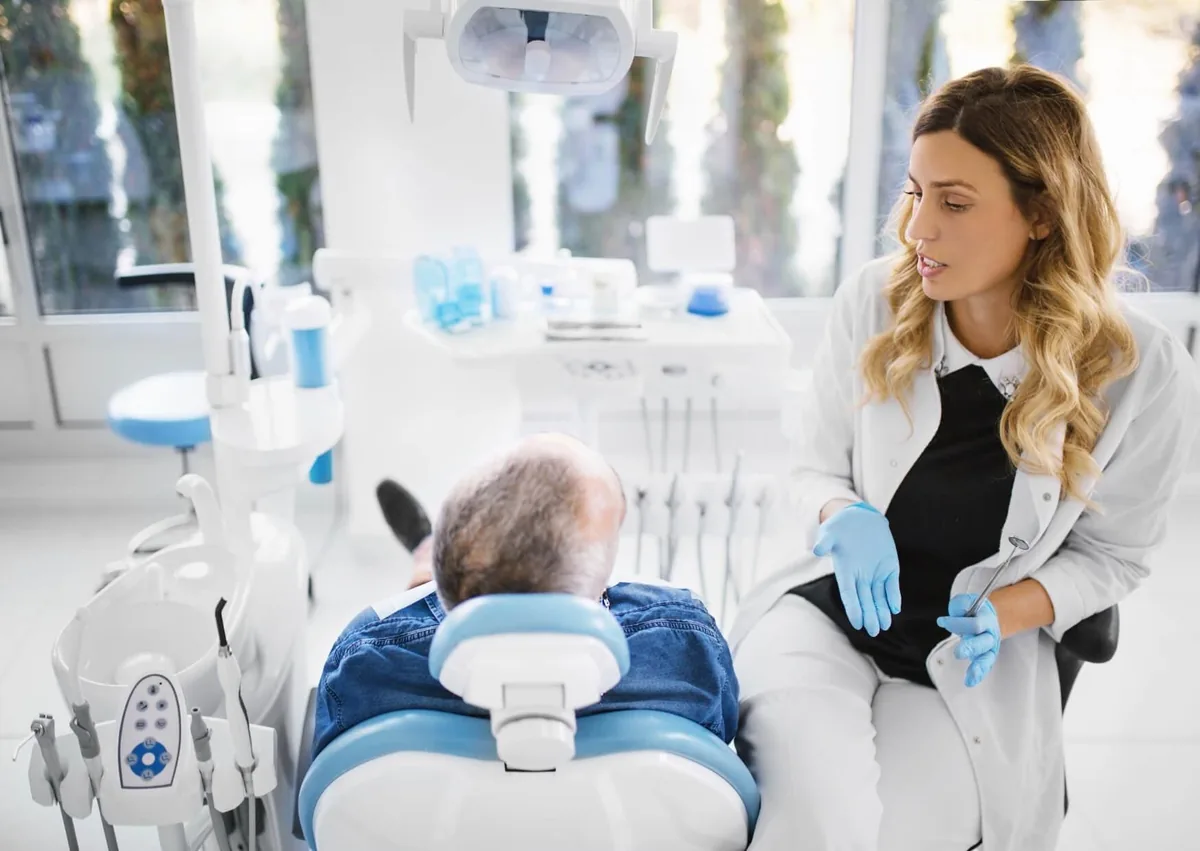
When treatment works well, people often sleep more soundly and feel more alert during the day. Morning headaches may improve, and bed partners may notice less snoring or gasping.
Untreated obstructive sleep apnea is associated with higher risks of high blood pressure, heart rhythm problems, heart disease, stroke, metabolic disease, workplace errors, and motor vehicle crashes. That is why persistent symptoms deserve timely evaluation rather than watchful waiting.
Seek prompt care for loud habitual snoring with witnessed pauses in breathing, choking during sleep, unexplained morning headaches, or significant daytime sleepiness. Do not drive or operate machinery if sleepiness is affecting your alertness or safety.
Call 911 for severe trouble breathing while awake, chest pain, fainting, sudden weakness, facial drooping, confusion, or other signs of a heart attack or stroke. For ongoing sleep-related symptoms, medical testing and dental screening can help clarify the cause and support measurable treatment.
For a focused dental screening and discussion of oral appliance options, contact a general dentistry team to review your symptoms and coordinate medical testing. Wagner Sleep Dental specializes in general dentistry in Indianapolis, IN and serves patients from Greenwood, IN and Southport, IN; call (317) 881-4000 to arrange an appointment.
No. A dentist can screen for risk, identify oral findings, and refer for testing, but a qualified medical clinician diagnoses obstructive sleep apnea using clinical assessment and, in most cases, a sleep study.
No. A night guard is usually meant to protect teeth from grinding, while a sleep apnea appliance advances the lower jaw to help maintain airflow. The design, fitting, monitoring, and treatment goals are different.
Not always. Snoring can happen without sleep apnea, but loud habitual snoring with witnessed pauses, gasping, morning headaches, or daytime sleepiness should be evaluated.
Sometimes. The right option depends on disease severity, anatomy, health history, treatment response, and personal tolerance, and follow-up sleep testing should confirm that the chosen treatment is effective.
I hadn't been to the dentist in 10 years and hadn't really smiled for about the same. Dr. Wagner and her staff made me feel comfortable instantly. She is not... read more

 Rachael Manson
I appreciate the professional service and friendly staff. Always quick to respond to any issues I may have. Highly recommend! Terry T.
 Terry Thompson
I have gone here for dental work my whole life at this point, and they have never been rude to me and have always been patient with me when I... read more
 nick lorance
Entire team is fabulous! So welcoming and compassionate. Dr W is the BEST!!! Highly skilled at everything she offers!
 Keisa Messer
Nothing but positive things to say about this place! Every staff member I've interacted with is knowledgeable and kind. Going to the dentist no longer makes me anxious. I highly... read more
 Laura Moon
We’re kind and personable yet professional! Took time with me to explain what I needed done.
 Patricia Duncan
Dr. Susan Wagner and her staff are amazing. They are very professional, gentle, efficient and experienced. They are also calm and very kind. I appreciate having such a great experience... read more
 Amy Tomey
Called in the morning and seen the same day for a lose crown. Dr. Wagner has always taken great care of our family dental needs!
 Kevin Gregory
Well run office. They are very conscientious in helping individuals maintain healthy teeth.
 Roger Kinsey
Success stories that speak for themselves