Sleep dentistry cost can range from a relatively small add-on for nitrous oxide or an oral sedative to several hundred or several thousand dollars for IV sedation or general anesthesia. The final price depends on the sedation method, procedure length, monitoring needs, provider qualifications, treatment setting, and insurance coverage. A written estimate should clearly separate the sedation fee from the cost of the dental procedure itself.
“Sleep dentistry” is an informal term for sedation dentistry. In many cases, patients are relaxed and less aware but still responsive. Deep sedation and general anesthesia involve a deeper level of unconsciousness and require more intensive monitoring.
If anxiety, a strong gag reflex, or a lengthy dental procedure is making treatment difficult, learning about sedation dentistry can help you decide which option meets your safety and comfort needs. Wagner Sleep Dental in Indianapolis, IN explains sedation levels, monitoring, and what to expect during recovery so you can compare costs and benefits.
Sedation can reduce anxiety, awareness, movement, and memory during dental care. It does not replace pain control, so dentists usually still use local anesthetic to numb the treatment area.
The right sedation level depends on the procedure, the patient’s health, and the level of support needed for safe treatment. ADA clinical guidelines note that deeper sedation requires more training, equipment, and monitoring.
Sedation Option | Typical Experience | Main Cost Factors |
|---|---|---|
Nitrous oxide | Awake, relaxed, and able to respond | Treatment time and office fee structure |
Drowsy, with reduced awareness; usually responsive | Medication, appointment length, and monitoring | |
IV sedation | Medication delivered through a vein; depth can be adjusted | Provider credentials, time, monitoring, and supplies |
General anesthesia | Unconscious with advanced airway and vital-sign monitoring | Anesthesia professional, facility, time, and recovery care |
Sedation fees may be billed as a flat rate, by the hour, or in time increments after an initial period. Longer appointments usually cost more because they require additional medication, monitoring, staff time, and recovery support.
Provider training and treatment setting also affect price. Deep sedation or general anesthesia may involve a dentist with advanced anesthesia training, a dental anesthesiologist, or a physician anesthesiologist, depending on the patient’s needs and state rules.
The dental treatment itself is a separate expense. Procedures such as tooth extractions, root canal treatment, restorations, or dental implants have their own fees in addition to sedation, imaging, local anesthetic, facility charges, and any needed medical consultation.
Ask whether the estimate includes all monitoring, recovery, and professional fees. Offices do not always bundle charges the same way, so this question makes cost comparisons more accurate.
The dentist first considers whether sedation is appropriate for the procedure and the patient. Factors may include dental anxiety, a strong gag reflex, difficulty staying still, treatment complexity, and expected appointment length.
A medical review is essential because sedation can affect breathing, blood pressure, heart rate, and protective reflexes. The dentist may ask about medications, allergies, pregnancy, alcohol or substance use, heart or lung disease, body weight, prior anesthesia problems, and possible obstructive sleep apnea.
In patients with sleep apnea, published evidence notes increased morbidity related to airway and sedation risks. If a patient has more complex medical needs, the safest option may require a higher-acuity setting even if it costs more.
Dental insurance often helps cover the dental procedure but may not cover sedation, or may cover it only when it is considered medically necessary. Benefits often depend on age, disability, procedure type, sedation level, network status, deductibles, annual maximums, and preauthorization rules.
A predetermination of benefits can help clarify expected coverage, but it is not a guarantee of payment. Patients should ask whether sedation, anesthesia, facility services, and the dental procedure are billed separately and request the relevant procedure codes when possible.
Health insurance may sometimes contribute if anesthesia is medically necessary or provided in a hospital or ambulatory surgery center. Written confirmation is more reliable than a general verbal statement that sedation is “covered.”
Financing, health savings accounts, and flexible spending accounts may also help with eligible out-of-pocket costs. Review financing terms carefully, especially interest rates, deferred-interest rules, and late-payment penalties.
Sedation can make necessary care possible when anxiety, movement, medical needs, or procedure complexity would otherwise interfere with treatment. It may also allow several procedures to be completed in fewer visits, although longer appointments can increase sedation fees.
Alternatives may include shorter visits, staged treatment, behavioral anxiety strategies, topical and local anesthesia, nitrous oxide, or referral to a clinician experienced with anxious or medically complex patients. In general, the least intensive option that still allows safe, effective care is preferred.
Delaying needed treatment only to avoid sedation cost can allow infection, decay, or gum disease to worsen. If cost is a concern, ask whether treatment can be prioritized by urgency and whether a lighter form of sedation could still meet the clinical goal.
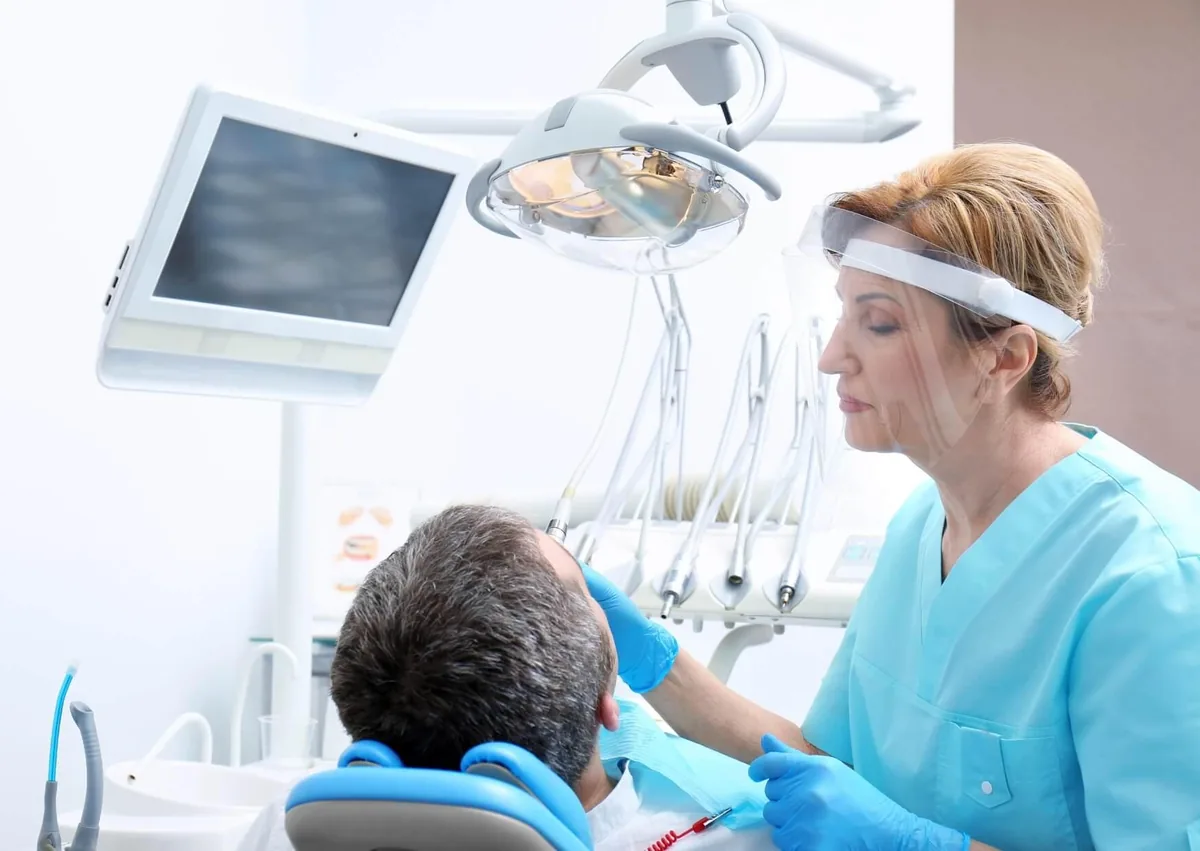
Preparation instructions depend on the sedation level and the patient’s health history. Follow the dental team’s directions about eating, drinking, regular medications, clothing, transportation, and whether a responsible adult must stay with you.
Nitrous oxide often wears off quickly. Oral sedation, IV sedation, and general anesthesia more often require an escort and a period of supervised recovery.
Do not drive, operate machinery, drink alcohol, sign important documents, or make major decisions until the treating clinician says it is safe.
It is also smart to budget for indirect costs such as time away from work, transportation, child care, prescriptions, and an escort’s time. If treatment changes during the visit, ask how added procedure time or anesthesia time could affect the final bill.
Mild drowsiness, temporary nausea, soreness at an IV site, or minor dental discomfort can occur after sedation, depending on the method used and the procedure performed. Contact the dental office if symptoms are persistent, worsening, unexpected, or unclear based on your recovery instructions.
Call 911 for difficulty breathing, bluish or gray lips, inability to awaken, severe confusion, chest pain, seizure, or collapse. Urgent evaluation is also appropriate for uncontrolled bleeding, rapidly increasing facial or neck swelling, trouble swallowing, or signs of a severe allergic reaction.
Before scheduling treatment, confirm the planned sedation level, who will provide it, what monitoring will be used, and what recovery support is required. A complete written estimate and an individualized health review are the best way to compare cost, safety, and expected benefit.
To discuss your specific procedure, estimated sedation fees, and safety measures, a short consultation can provide a written estimate that separates anesthesia and dental fees and explains preparation and recovery instructions.
Wagner Sleep Dental focuses on sedation dentistry in Indianapolis, IN and Greenwood, IN; call (317) 881-4000 to schedule a consultation or request availability.
No. The term may refer to anything from nitrous oxide to general anesthesia, and many forms leave the patient conscious and responsive. Ask the dentist to name the planned sedation level rather than relying on the phrase “sleep dentistry.”
It can be. Some offices use a flat fee, while others charge for an initial period and additional time increments. General anesthesia may also involve separate professional or facility charges.
Sometimes, especially when sedation meets a plan’s medical-necessity criteria. Coverage is less likely when sedation is used only for preference or anxiety, but each plan defines benefits differently.
The office can usually provide an estimate after an examination and treatment plan. The final amount may change if treatment lasts longer, the procedure changes, or insurance pays differently than expected.
Oral sedation often costs less, but it is not interchangeable with IV sedation. Its effects are less adjustable once taken, and the right option depends on health status, anxiety level, procedure length, and the depth of sedation required.
Dr. Susan Wagner and her staff are amazing. They are very professional, gentle, efficient and experienced. They are also calm and very kind. I appreciate having such a great experience... read more

 Amy Tomey
This is my 4th cleaning day. I have never looked forward to getting dental work done but this is a very professional, friendly efficient practice. Now I look... read more
 Susan Fillmer
I hadn't been to the dentist in 10 years and hadn't really smiled for about the same. Dr. Wagner and her staff made me feel comfortable instantly. She is not... read more
 Rachael Manson
We’re kind and personable yet professional! Took time with me to explain what I needed done.
 Patricia Duncan
Called in the morning and seen the same day for a lose crown. Dr. Wagner has always taken great care of our family dental needs!
 Kevin Gregory
Well run office. They are very conscientious in helping individuals maintain healthy teeth.
 Roger Kinsey
The kindest group of ladies you’ll ever find from reception to dentist. I hadn’t been to the dentist in about 5 years (due to fear among other things). I finally... read more
 Hayden Phillips
Consistently pleased with the kindness I’m met with by the staff and the quality of my routine cleanings
 Lukas Smith
I have gone here for dental work my whole life at this point, and they have never been rude to me and have always been patient with me when I... read more
 nick lorance
Success stories that speak for themselves