Pain after root canal treatment usually improves within a few days. Mild soreness, pressure sensitivity, or tenderness when biting often lasts three to seven days, especially if the tooth was badly inflamed before treatment. If you plan to drive after a root canal, follow your dentist’s instructions about pain medicine and any sedation.
If your tooth remains painful after treatment or symptoms are worsening, a focused evaluation for root canal treatment can determine whether retreatment or another intervention is needed. Wagner Sleep Dental in Indianapolis, IN, offers careful reviews to explain options and what to expect during recovery.
A root canal removes inflamed or infected tissue from inside the tooth, then cleans and seals the canals. During the procedure, local anesthetic should prevent sharp pain, though you may still notice pressure or vibration. Some patients also choose oral conscious sedation for added comfort.
After the numbness wears off, the tissues around the root can feel sore. This usually reflects irritation or pre-existing inflammation in the supporting tissues, not pain from the removed nerve. The key pattern is steady improvement over time.
Stage | Common Experience | When to Contact the Dentist |
|---|---|---|
First 24 to 48 hours | Mild to moderate soreness, pressure sensitivity, or tenderness when chewing | Severe pain, rapidly increasing swelling, fever, or trouble swallowing or breathing |
Days 3 to 7 | Gradual improvement with occasional tenderness | Pain that is worsening, unchanged, or disrupting sleep |
After one week | Little or no discomfort for most people | Persistent biting pain, swelling, drainage, or a returning toothache |
Weeks or months later | The tooth should remain comfortable and functional | New pain, a gum bump, swelling, or loosening or loss of the restoration |
These are general recovery ranges, not a diagnosis. Healing may take longer if the tooth had a significant infection, complex root anatomy, or substantial pain before treatment.
Short-term pain after a root canal often comes from inflammation in the periodontal ligament, which supports the tooth in the jawbone. Even though the nerve inside the tooth has been removed, the surrounding ligament, bone, and gum tissue can still sense pressure and inflammation.
Another common cause is a temporary filling or crown that sits slightly too high. If the treated tooth contacts first when you bite, it can create focused chewing pain and may need a simple bite adjustment.
Less often, ongoing or returning pain may be related to persistent infection, an untreated canal, a crack, or leakage around a filling or crown. Symptoms alone cannot reliably tell these causes apart.
Your dentist will ask when the pain started, whether it is improving, and whether it happens on its own or only with pressure. Swelling, drainage, bad taste, fever, or trouble opening the mouth can help show how urgent the problem is.
The exam may include checking the gums, tapping the tooth, testing biting pressure, and comparing your bite with nearby teeth. Dental X-rays can help assess the root filling, surrounding bone, and the condition of the restoration.
Sometimes the pain is not coming from the treated tooth at all. A nearby tooth, jaw muscle, or even the sinuses can refer pain to the same area. If the case is complex, referral to an endodontist may be appropriate.
Treatment depends on the cause, not just the amount of pain. Normal post-treatment inflammation may only need time and routine pain control, while a high filling or crown may need a bite adjustment.
If infection persists or returns, the dentist or endodontist may recommend retreatment to reopen, clean, and reseal the canals. In selected cases, root-end surgery may be considered. A tooth with a severe, nonrepairable crack may need tooth extraction.
Antibiotics are not routinely needed for soreness limited to a treated tooth. They also do not fix problems such as a high bite or an uncleaned canal. A clinician may consider them when infection is spreading or causing systemic symptoms.
Avoid chewing hard, crunchy, or sticky foods on the treated tooth until your dentist says normal use is safe. This is especially important if the tooth has a temporary filling.
Brush and floss carefully, and follow your dentist’s instructions for pain relief and aftercare. If the tooth feels too high when you bite, let the office know promptly.
A root canal often needs a durable final restoration, commonly dental crowns, to protect the tooth from fracture and leakage. Keep that appointment even if the tooth feels normal.
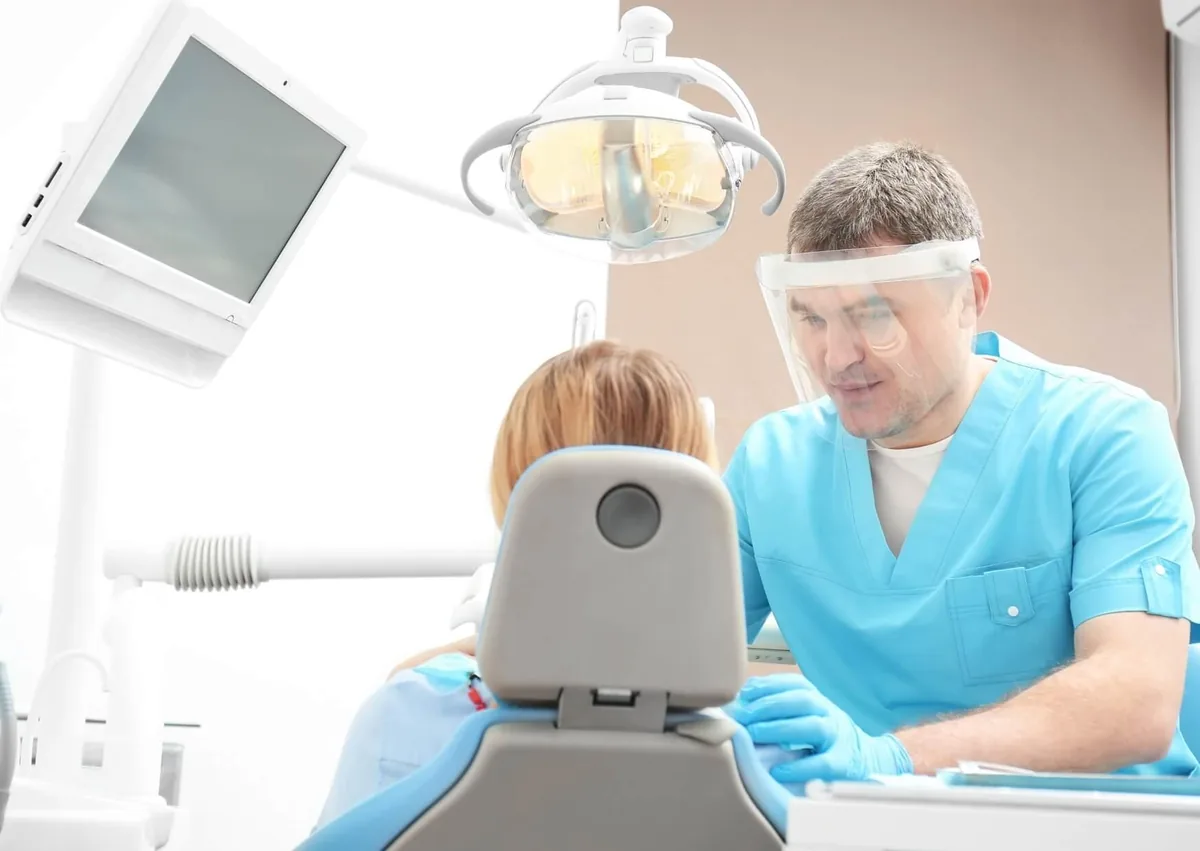
Contact the treating dentist promptly if pain is not improving after several days, remains significant beyond a week, returns after getting better, or makes the tooth feel too high when biting. Earlier reviews can identify a correctable problem before it becomes harder to manage.
Seek urgent dental or medical care for rapidly spreading facial or neck swelling, fever with worsening dental symptoms, difficulty swallowing or breathing, confusion, or swelling near the eye. These symptoms can signal a more serious infection.
Ongoing dental checkups, daily plaque removal, and timely repair of a loose or damaged filling or crown can help the treated tooth stay comfortable and functional. If you need an initial evaluation or follow-up, contact the treating general dentistry provider promptly to discuss symptoms and referral options.
If pain persists, request a prompt clinical review to identify whether retreatment, adjustment, or another procedure is appropriate. Call Wagner Sleep Dental for root canal treatment in Indianapolis, IN, and nearby Greenwood, IN, at (317) 881-4000 to schedule an appointment.
Some aching or throbbing can happen after the numbness wears off, especially during the first day or two. Severe throbbing, worsening pain, swelling, fever, or pain that prevents sleep should be checked promptly.
The tissues around the root may still be inflamed, which can make pressure uncomfortable for a short time. A filling or crown that hits too early, a crack, or persistent inflammation can also cause biting pain.
Yes, but that is not expected. New pain may result from leakage, recurrent infection, a fracture, or a problem in a nearby tooth, and it needs a dental exam.
Not necessarily. Mild pain that steadily improves over several days is common, while persistent, worsening, or recurring pain needs evaluation to see whether the tooth needs an adjustment or further treatment.
Everything went well.. the staff is so friendly. Susan (the dentist) takes time to explain what all is going in and does not rush you out the door. ... read more

 Pam Stultz
Consistently pleased with the kindness I’m met with by the staff and the quality of my routine cleanings
 Lukas Smith
Dr. Susan Wagner and her staff are amazing. They are very professional, gentle, efficient and experienced. They are also calm and very kind. I appreciate having such a great experience... read more
 Amy Tomey
Jennifer, Dental Hygienist was thorough with my exam and cleaning! Thank You, Jennifer!
 Amber Nugent
Well run office. They are very conscientious in helping individuals maintain healthy teeth.
 Roger Kinsey
Called in the morning and seen the same day for a lose crown. Dr. Wagner has always taken great care of our family dental needs!
 Kevin Gregory
Update 10/8/24: Again I can’t express enough how pleased I am with Dr Wagner and her staff, especially Linda my hygienist! She is thorough and gentle when working on my... read more
 Cyndi Maddox (Cyndi)
I appreciate the professional service and friendly staff. Always quick to respond to any issues I may have. Highly recommend! Terry T.
 Terry Thompson
The kindest group of ladies you’ll ever find from reception to dentist. I hadn’t been to the dentist in about 5 years (due to fear among other things). I finally... read more
 Hayden Phillips
Success stories that speak for themselves